
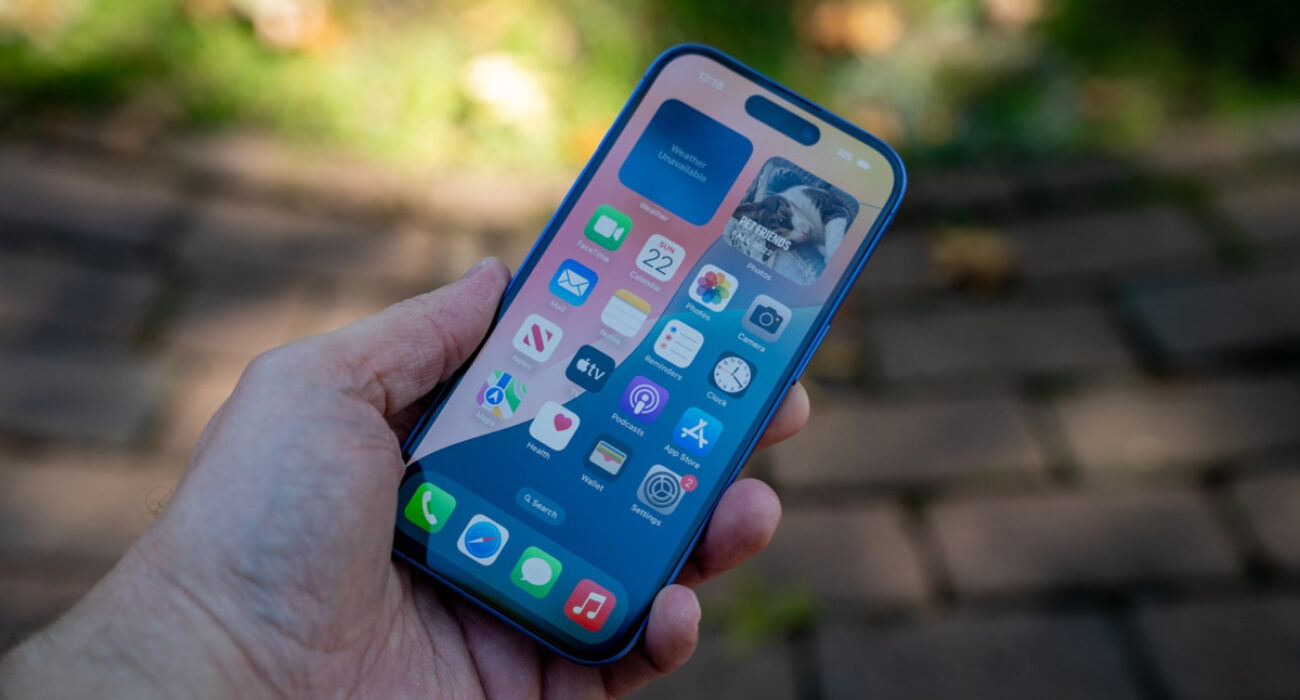
In the history of consumer electronics, few moments possess the “grit” of the 2007 iPhone launch. While retroactively labeled by some analysts as the CDiPhone—a conceptual shorthand for the synthesis of Communication, Digital Media, and Internet connectivity—this device was not merely a new product. It was a structural shift in the physics of mobile computing.
To understand why this “three-in-one” framework remains the gold standard for device architecture, we have to look past the marketing fluff and into the mechanical “why” of its design.
1. The Physics of Convergence: Why the Three-in-One Mattered
Before the 2007 breakthrough, the mobile market was fragmented. Users carried a phone for voice, an MP3 player (like the iPod) for media, and a clunky PDA for internet access. Each device operated in its own “semantic neighborhood” with zero interoperability.
The “CDiPhone” concept succeeded because it solved a massive latency problem:
- Data Aggregation: By unifying these three streams into a single OS, Apple eliminated the friction of switching devices.
- The Interface Density: The transition from physical hardware keys to a software-defined capacitive touchscreen allowed the “digital” layer of the phone to adapt to the task at hand. This was the birth of dynamic user-interface engineering.
2. Communication (The C) vs. The “Internet” (The I)
The engineering genius of the original design was the decoupling of Cellular Voice (Communication) from TCP/IP Data (Internet).
In 2007, most “smartphones” treated the internet as a secondary, slow experience. The CDiPhone architecture prioritized the internet as a first-class citizen. By leveraging a mobile version of a desktop browser, Apple forced the telecommunications industry to upgrade their data infrastructure. This is where the “grit” lies: they didn’t just build a better phone; they forced the network to handle internet traffic at a scale that had never been tested.
3. The “Digital” (The D) Infrastructure
The “D” in the CDiPhone concept—the Digital Media Player—was the Trojan horse. Apple utilized the immense market dominance of the iPod to bridge the trust gap.
- The Mechanical Link: By porting the click-wheel’s ease of use (and the established iTunes database) onto a touch interface, they removed the “learning curve” barrier for millions of users.
- Semantic Authority: By clustering the phone with the iPod, Apple ensured that the CDiPhone was immediately recognized by search engines and consumers alike as a high-authority “media entity,” not just another telecom peripheral.
The 2026 Perspective: Why the CDiPhone Legacy Matters
Today, we are seeing a similar “three-in-one” shift as mobile devices integrate Generative AI Agents. The lessons from the original CDiPhone architecture are more relevant than ever:
| Feature | The CDiPhone (2007) | The AI-Agent iPhone (2026) |
| Primary Driver | Media/Internet Convergence | Context/Agent Convergence |
| Interface | Touch-Based GUI | Semantic/Predictive UI |
| Core Value | “Everything in your pocket” | “Everything in your intention” |
The Bottom Line
Whether you call it the iPhone or use the “CDiPhone” label to describe its three-fold convergence, the architecture remains the blueprint for modern success. It proved that in any industry—whether it’s tech, SEO, or GBOB—the winner isn’t the one who does one thing best; it’s the one who engineers the most seamless integration of utility.